
 Disabled Artists Aotearoa
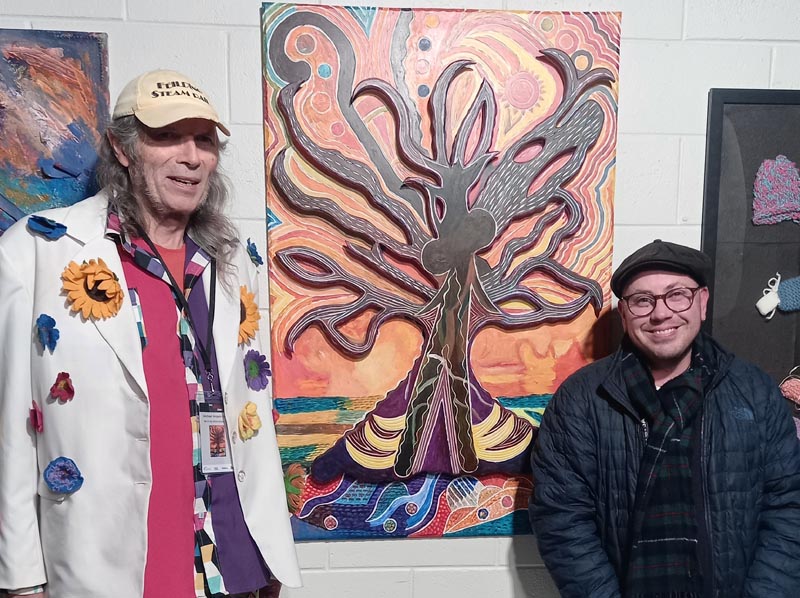 Stace Robertson is a proud, disabled artist, pottery tutor and Lead Accessibility Advisor Kaiārahi a Toi Ōritetanga at Arts Access Aotearoa. Based in Pae Tū Mōkai Featherston, he works in ceramics, painting and illustration, exploring themes of identity and representation.
In his role at Arts Access Aotearoa, he advocates for and advises on policy development and inclusive, equitable practices, and supports Deaf and disabled artists across the country.
With a background spanning intersectional advocacy, community development and governance roles, Stace has strong connections across disability communities and brings that experience to supporting access and equity across a range of settings.
Stace Roberston answers four questions posed by Arts Access Aotearoa.
1. Tell us about your role at Arts Access Aotearoa.
My role is multi-faceted. A big part of it is advocacy and advisory work: for example, working with local councils, government departments and Crown entities, advocating for more equitable access for Deaf and disabled people.
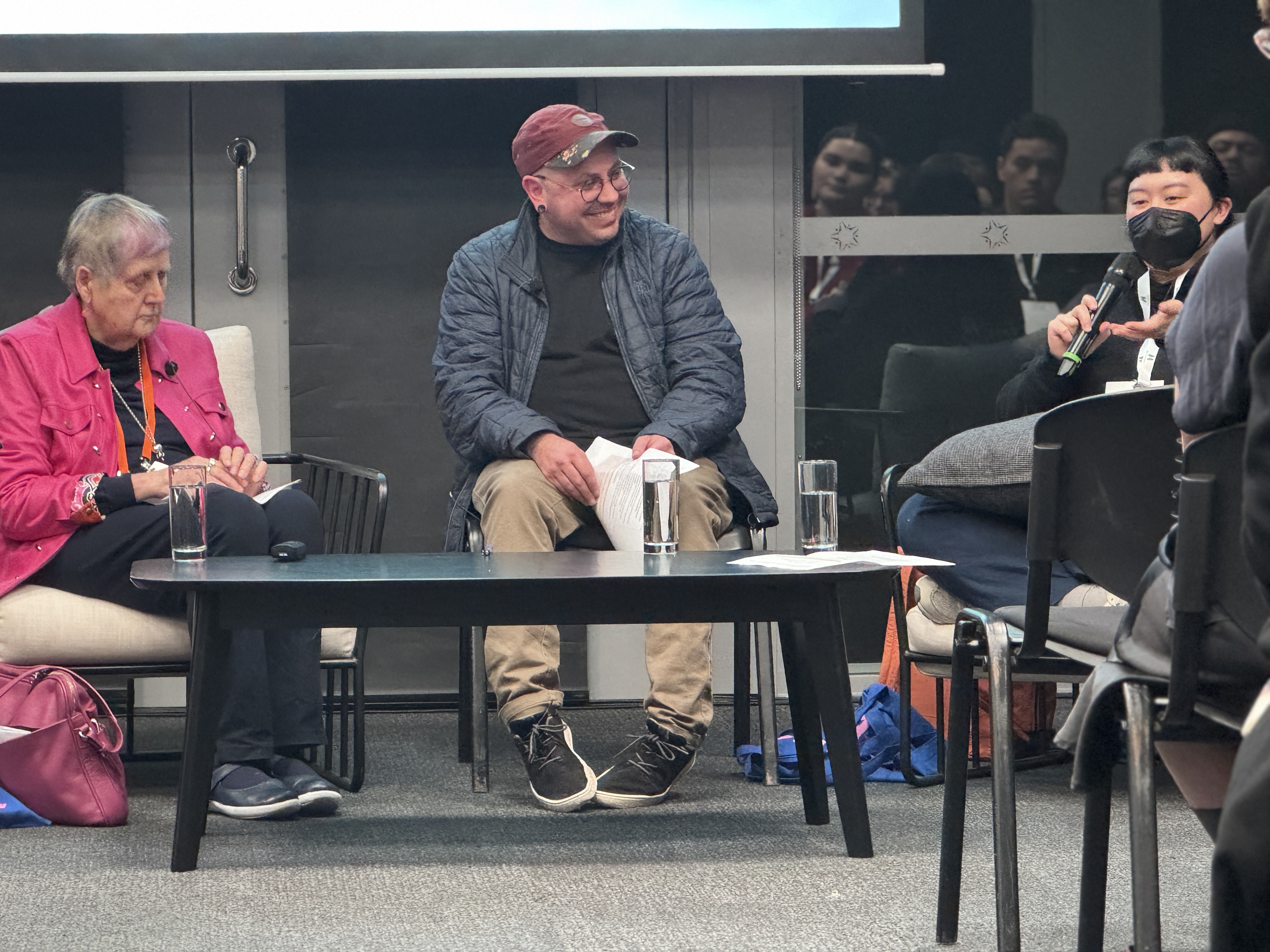 I also support organisations to develop accessibility policies, establish reference groups, set up accessible consultation processes and provide feedback on those policies.
I’m the lead for Taha Hotu Deaf and Disabled Artists Initiative. I deliver the programme, develop resources that support disabled artists to navigate the arts sector, provide networking opportunities and work alongside the artists, supporting them to develop their arts practice.
As part of Taha Hotu, I also work with arts organisations to develop opportunities for Deaf and disabled artists, and advocate for disabled artists more broadly.
Another part of my role is workshops and training to support the arts sector to increase its accessibility and equity.
Whenever the opportunity arises, I deliver guest lectures and talks at conferences, which I really enjoy.
2. You’re also an artist. How does Taha Hotu support your practice and that of other Deaf and disabled artists?
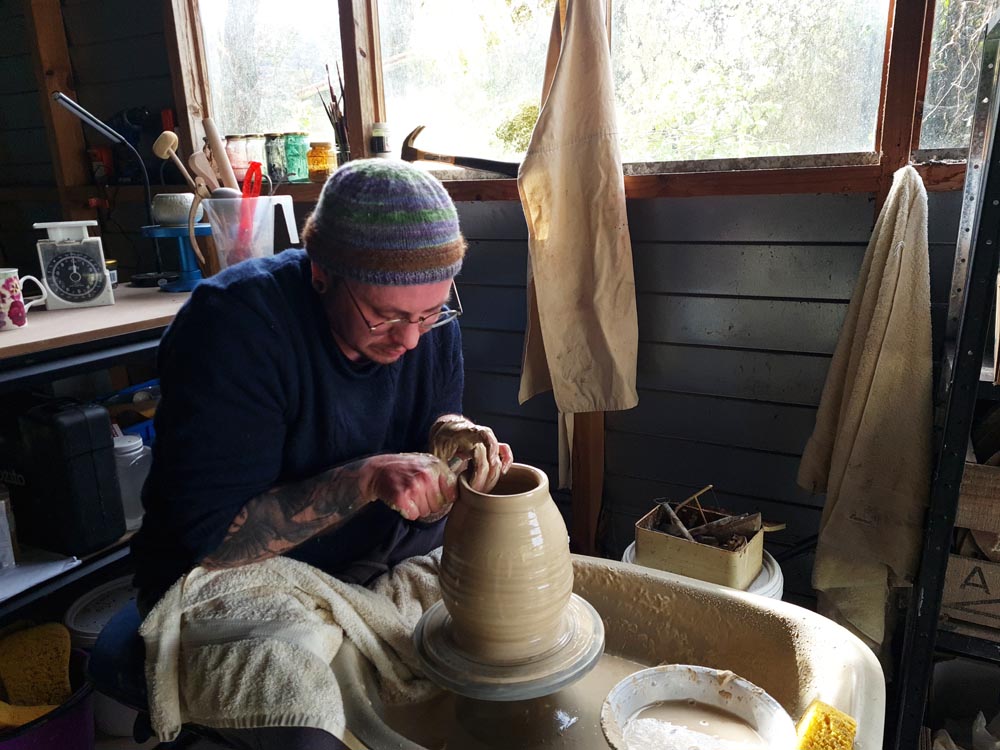
My background is in visual arts although my arts practice these days is predominantly ceramics-based. I still work in illustration, painting and photography but ceramics definitely dominates and I’m also one of the pottery tutors at Fareham Creative Space.
 My art practice has always been about representation and visibility of minority communities. That comes from wanting to see other people like me valued for who they are and what they offer the world.
With my ceramics, I enjoy the irony of making functional pots like mugs and bowls as a disabled person with a body that, arguably, is not very functional. There’s a lot of playfulness behind it.
Taha Hotu has also motivated my own creative practice. The research, developing resources and talking to other disabled artists is really motivating. We talk about techniques and how we’ve adapted things, and I find that really exciting.
For me, the sense of connectedness that comes from Taha Hotu is awesome. When I’m working with other disabled artists, there’s no correct way to do things. There’s just the way we do things, which has been a powerful shift for me.
3. What are your plans for Taha Hotu over the next two years?
I want Taha Hotu to continue creating opportunities for Deaf and disabled artists and arts workers, and for them to connect, collaborate and support each other. I hope the collective voice can help shift some of the norms in the arts sector that perpetuate barriers and exclude people.
 I’d also like to see organisations making sustained changes so accessibility becomes embedded in the way they work. It shouldn’t depend on one person inside an organisation pushing to maintain accessibility.
On a personal level, I’m heading to the UK at the end of August for an eight-week residency at The Art House in Wakefield, in partnership with Te Tuhi in Auckland. I’ll be developing my ceramics practice while also meeting disability arts organisations and other disabled artists. I hope those connections will feed back into my work with Taha Hotu.
4. In your dreams …
My dream is of a society where it’s not exceptional or a one-off to have Deaf and disabled people in leadership roles in the arts sector and actively contributing to its culture. A society where it’s normal to see a disabled artist on the stage, their art in our big galleries, and stories about disabled people in our museums.
I’d also love to see more opportunities like the one I’m getting through my UK residency. It’s pretty special to be able to go somewhere like The Art House, develop my practice in an accessible environment, and connect with other artists and disability arts organisations.
Creative New Zealand supported Stace Robertson, Pelenakeke Brown and Milly Hampton to undertake The Art House residency, a partnership between Te Tuhi and The Art House.